Introduction To Javascript

saxenadivya0007
Wednesday, 2024-08-07
What is JavaScript?
JavaScript allows developers to add functionality to websites, such as form validation, animations, and real-time updates without the need to reload the page. Its flexibility and ease of use make it a popular choice for both front-end and back-end development. With the rise of frameworks like React, Angular, and Vue.js, JavaScript has become even more powerful, allowing developers to build complex web applications with ease. Overall, JavaScript plays a crucial role in shaping the user experience on the web and continues to evolve as new technologies emerge.
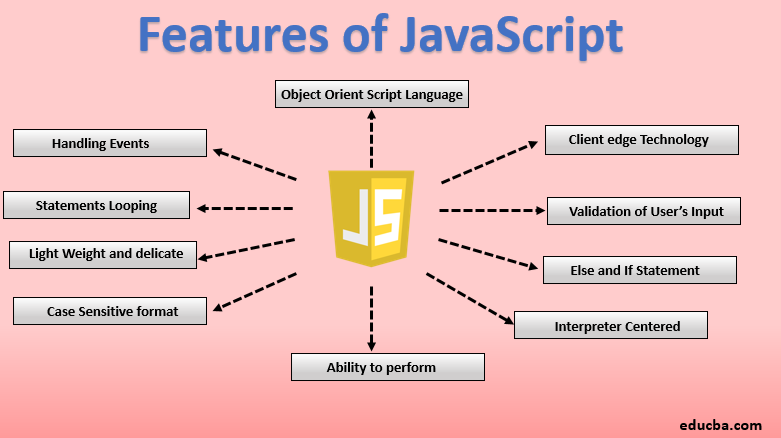
Key Features of JavaScript:
- Client-Side Scripting: JavaScript runs in the browser, allowing for interactive web pages by manipulating the DOM (Document Object Model) and responding to user events like clicks and form submissions. This client-side execution reduces server load and enhances user experience by providing immediate feedback and updates without needing to reload the page.
- Server-Side Capabilities: With the advent of Node.js, JavaScript has expanded to server-side development, enabling developers to use a single language for both client and server code. This unification simplifies development workflows and allows for the creation of full-stack applications using frameworks like Express.js.
- Asynchronous Programming: JavaScript supports asynchronous programming through callbacks, promises, and the async/await syntax. This is particularly useful for handling I/O operations such as API requests, file reading, and timers, ensuring that applications remain responsive and efficient by not blocking the main execution thread.
- Rich Ecosystem: JavaScript has a vast ecosystem of libraries and frameworks, including React, Angular, and Vue.js for front-end development, and Express.js for back-end development. These tools provide pre-built functionalities and structures, speeding up development and helping developers build robust, maintainable applications.
- Community and Resources: The JavaScript community is large and active, offering extensive resources such as tutorials, documentation, forums, and open-source projects. Websites like MDN Web Docs and platforms like Stack Overflow provide valuable support and knowledge sharing, making it easier for both beginners and experienced developers to learn and troubleshoot
Getting Started with JavaScript:
- Learning Basics: Begin with understanding basic syntax, data types, and control structures. Utilize free resources like MDN Web Docs and Codecademy for structured learning.
- Practice Coding: Regular practice is crucial. Engage in coding challenges on platforms like LeetCode and HackerRank to reinforce your skills.
- Build Projects: Start with small projects to apply what you've learned. Examples include to-do list apps, simple games, or interactive forms.
- Read and Analyze Code: Study open-source projects on GitHub to understand how experienced developers structure their code and solve problems.
- Join the Community: Participate in online forums, attend local meetups, and contribute to open-source projects to gain insights and feedback from other developers.
Conclusion:
JavaScript is an indispensable language for web developers due to its extensive capabilities and the breadth of its ecosystem. By learning JavaScript, developers gain the tools to create interactive, efficient, and scalable web applications, opening up a multitude of opportunities in the tech industry. Whether you are a beginner or an experienced developer, mastering JavaScript is a valuable and rewarding investment in your programming career.